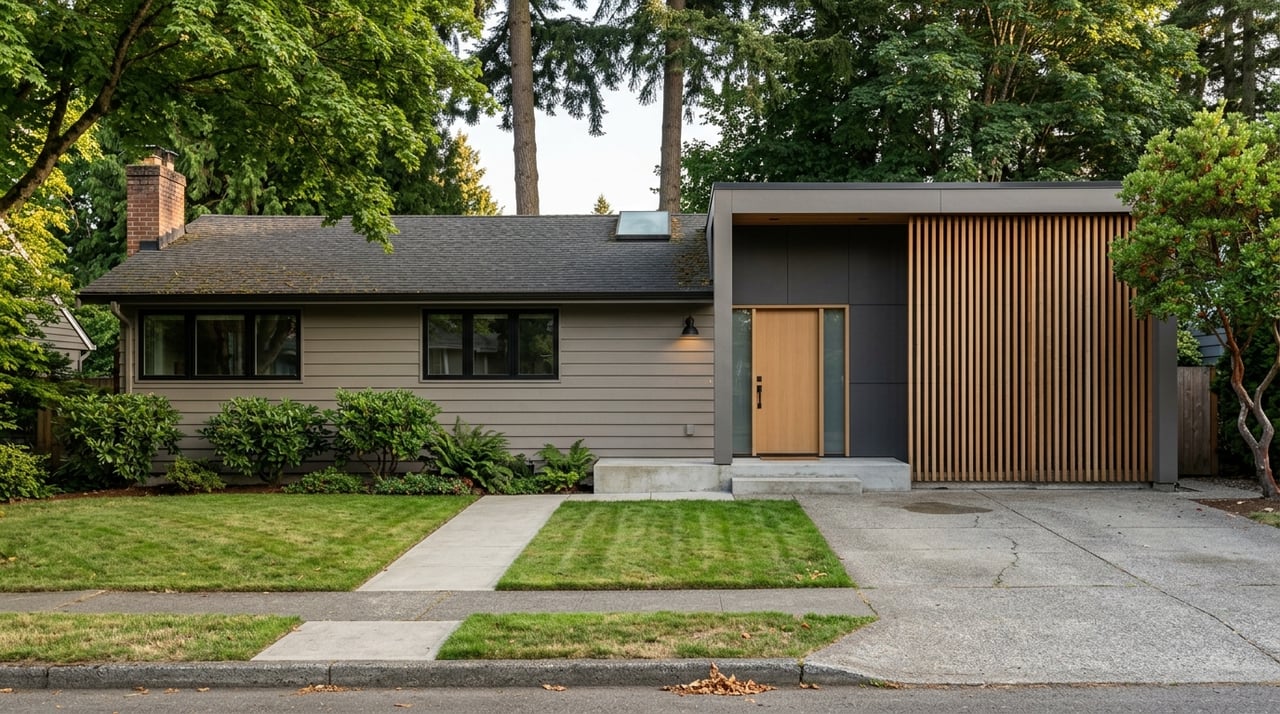
Trying to choose between a brand-new home and a classic house in Wedgwood? In a high-cost Seattle market, that decision is about more than style alone. You are also weighing upkeep, energy performance, layout, and how a home fits your day-to-day life. This guide breaks down what to expect from new construction versus classic homes in Wedgwood so you can compare the tradeoffs with more confidence. Let’s dive in.
Wedgwood Housing Basics
Wedgwood’s housing story helps explain why this comparison matters so much today. According to HistoryLink’s overview of Wedgwood, the neighborhood grew rapidly during the World War II housing boom after earlier agricultural roots, including Albert Balch’s 1941 plan for 500 homes on a 40-acre tract.
That history still shows up in the housing stock you see today. Older homes are part of Wedgwood’s baseline character, while newer construction is more often infill or redevelopment rather than a complete reset of the neighborhood.
The broader 98115 market is also expensive enough that the right fit matters. ACS 2024 5-year data for 98115 shows 25,486 housing units, a median owner-occupied value of $1,094,600, and a median household income of $156,142. In a market like this, renovation risk and future maintenance can carry as much weight as the purchase price.
What Counts as New Construction
In Wedgwood, new construction does not always mean a large standalone house on a wide lot. Seattle’s 2025-2026 middle-housing code updates affect much of the city’s Neighborhood Residential zoning, where attached units, detached units, stacked units, and ADUs are now allowed.
The city says most Neighborhood Residential lots can have up to four units, and some can have up to six units if the project includes low-income housing or is near a major transit stop. Height and lot coverage allowances also expanded, which can shape how new homes are designed and placed on a site.
For you as a buyer, that means newer Wedgwood options may increasingly appear as:
- Townhouse rows
- Stacked flats
- Detached homes with ADUs
- Replacement homes on redeveloped lots
That does not guarantee every new listing will look the same. It does mean you should expect more variety in home type than many buyers associate with older Seattle neighborhood patterns.
What Counts as a Classic Home
Classic Wedgwood homes usually fall into older Craftsman or mid-century-era categories. Seattle historic survey materials identify key residential eras as Craftsman / Arts & Crafts from 1900 to 1930 and Modern from 1935 to 1965.
In practical terms, that means you may see Craftsman homes with low-pitched roofs, wide eaves, exposed rafters, wood cladding, prominent porches, and multi-pane windows. You may also find postwar homes tied to Minimal Traditional, Ranch, Cape Cod, and Mid-Century Modern forms.
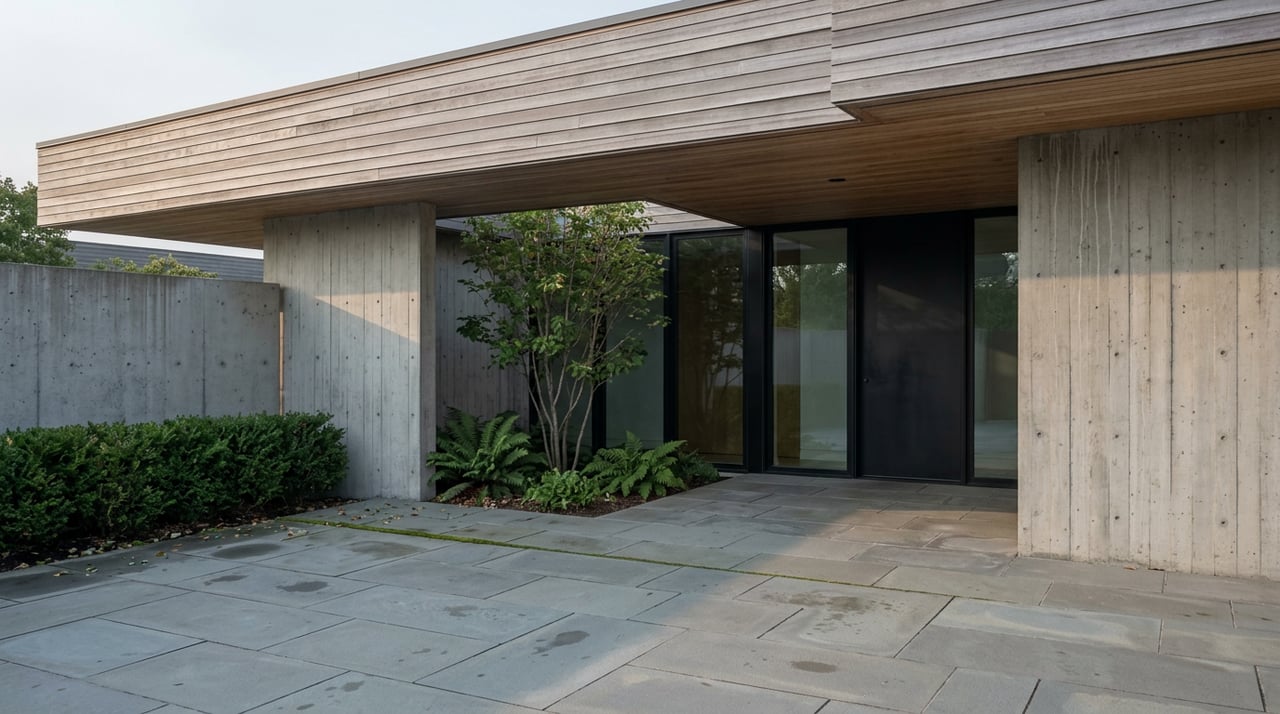
These homes often offer stronger architectural personality and a more established feel. At the same time, they can bring a longer list of updates, especially if previous owners did not modernize the home’s performance systems over time.
New Construction Advantages
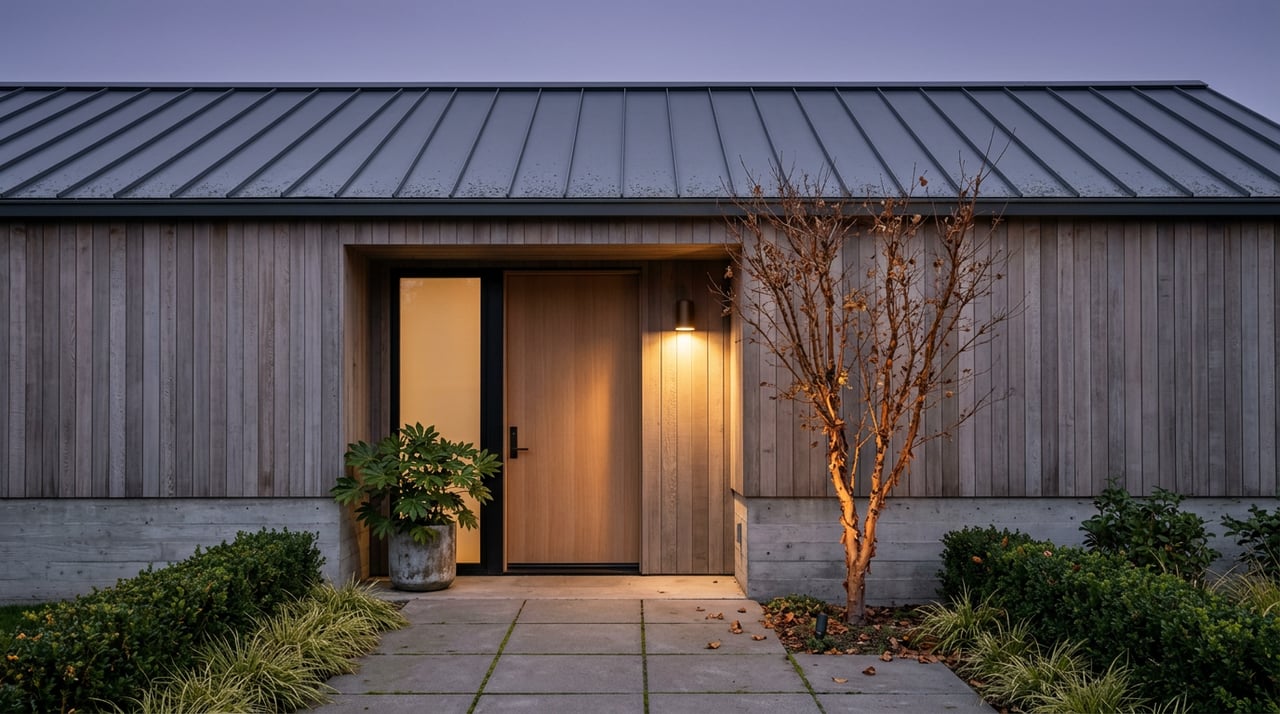
The biggest draw of new construction is usually predictability. If you want fewer near-term projects and a home built around current standards, newer homes often check those boxes.
Energy performance is a major plus. ENERGY STAR says certified new homes and apartments are designed to be energy efficient and exceed minimum energy code requirements by at least 10%, while ENERGY STAR NextGen homes can be about 20% more efficient than homes built to typical code levels.
Newer homes also generally start with modern air sealing, insulation, windows, and HVAC systems instead of requiring immediate retrofit work. That can reduce the number of surprise projects you face in the first few years of ownership.
Layout is another reason buyers lean toward new construction. With Seattle’s recent zoning and site flexibility changes, newer homes may offer more open, contemporary floor plans that match how many people live now, especially if you want flexible work-from-home or multigenerational space.
New Construction Tradeoffs
The main tradeoff with newer homes in Wedgwood is often space and site feel. Seattle’s more permissive lot coverage and setback rules can support denser development, which may leave less yard area than many older detached homes.
That denser pattern is not automatically a negative. For some buyers, lower yard maintenance and efficient use of space are benefits. But if you picture a larger outdoor footprint or more separation from neighboring structures, it is worth comparing lot layout closely before you decide.
You may also notice that some new homes feel less tied to the traditional architectural language that many people associate with older Wedgwood streetscapes. If charm and period detail sit high on your priority list, newer construction may feel more practical than soulful.
Classic Home Advantages
Classic homes tend to win on character. If you care about visible design details, original proportions, and a sense of architectural identity, older Wedgwood homes can offer something newer builds often do not.
Craftsman and mid-century-era homes also connect directly to Wedgwood’s development history. Because much of the neighborhood grew during the wartime and postwar housing era, these homes are part of the area’s longstanding residential fabric.
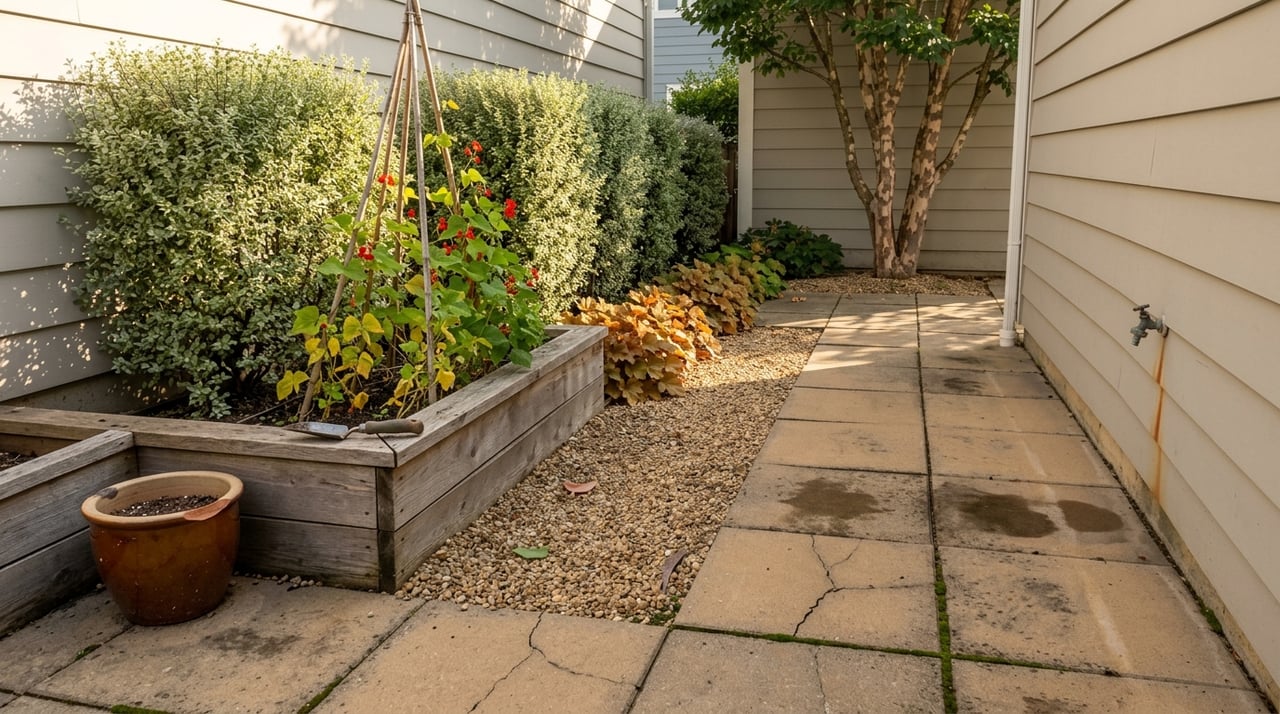
In many cases, classic homes may also offer a site experience that feels different from newer infill. Depending on the property, that can mean a more traditional detached-home pattern or a different relationship between the house, yard, and street.
Classic Home Tradeoffs
The biggest challenge with an older home is usually performance, not paint color. The U.S. Department of Energy notes that many older homes have less insulation than homes built today, and old or poorly air-sealed windows and doors can waste energy.
DOE also recommends weatherization improvements such as insulation, air sealing, moisture control, and ventilation upgrades. In other words, the real to-do list in a classic home is often behind the walls, around the windows, or in the attic and crawlspace rather than in the finishes you see first.
That does not make older homes a poor choice. It simply means you should budget with clear eyes. If you love character and are comfortable planning upgrades over time, a classic Wedgwood home can still be a strong fit.
How to Choose the Right Fit
When buyers compare new construction and classic homes in Wedgwood, the best option usually comes down to your priorities.
Choose new construction if you want:
- More predictable near-term maintenance
- Stronger built-in energy performance
- Modern systems and materials from day one
- A layout that feels current and flexible
Choose a classic home if you want:
- More architectural personality
- A home tied to Wedgwood’s earlier development eras
- A traditional house-and-lot feel on some properties
- The opportunity to improve performance over time
Neither path is automatically better. The real question is which tradeoff feels easier for you to live with.
A Smart Way to Compare Homes
If you are touring both types of properties, focus on the issues that affect ownership most after closing. It is easy to be swayed by staging or curb appeal, but long-term comfort usually comes from how a home performs and how well it fits your routine.
As you compare homes, ask yourself:
- How much near-term maintenance am I willing to take on?
- Do I value character more than efficiency, or the other way around?
- How important is yard space or site privacy to me?
- Would I rather pay for upgrades later or buy newer systems now?
- Does the layout support how I live today?
In Wedgwood’s price range, those answers can shape your total cost of ownership as much as the sale price itself.
Why This Choice Matters in Wedgwood
Wedgwood gives you a very specific Seattle decision point. The neighborhood’s history means classic homes remain central to its identity, while current zoning rules mean newer housing types will continue to enter the market in different forms.
That mix creates opportunity, but it also requires sharper evaluation. You are not just picking between old and new. You are choosing between two different ownership experiences in one of Seattle’s more established residential areas.
If you want help comparing real-world options in Wedgwood and across Seattle, Ken Graff can help you weigh layout, condition, resale potential, and negotiation strategy so you can move with confidence.
FAQs
What does new construction in Wedgwood usually look like?
- Newer Wedgwood homes may increasingly appear as townhouse rows, stacked units, detached homes with ADUs, or replacement homes on redeveloped lots because Seattle allows those forms in many Neighborhood Residential areas.
Are classic Wedgwood homes always less efficient than new homes?
- No. However, the U.S. Department of Energy says many older homes have less insulation than homes built today and may benefit from air sealing, insulation, and related upgrades.
What architectural styles are common in classic Wedgwood homes?
- Classic Wedgwood homes often align with Craftsman / Arts & Crafts and postwar Modern-era styles such as Minimal Traditional, Ranch, Cape Cod, and Mid-Century Modern.
Is ENERGY STAR certification important for a new Wedgwood home?
- Yes, if a property is certified. ENERGY STAR says certified new homes and apartments exceed minimum energy code requirements by at least 10%.
Should I choose a classic Wedgwood home or a new one?
- If you want lower near-term maintenance and stronger built-in efficiency, new construction may fit better. If you value architectural character and are comfortable budgeting for upgrades, a classic home may be the better match.