Wondering what it really takes to stand out in Wallingford right now? In a neighborhood where homes move quickly and buyers have choices, the winning formula is not just about square footage or price. Today’s buyers are looking for a home that feels functional, polished, and true to Wallingford’s character. If you are thinking about selling, understanding those priorities can help you position your home more effectively. Let’s dive in.
Wallingford buyers are still moving fast
Wallingford remains one of Seattle’s more competitive neighborhoods. Based on March 2026 sales, the median sale price was $999,950, median days on market were 18, and the average sale-to-list ratio was 99.5%. About 14% of homes sold above list price, and the hottest homes went pending in around 4 days.
That matters because buyer demand is still strong, but buyers are also paying close attention to value. Wallingford sits above Seattle’s broader market, where the typical home value was $871,599 and the median sale price was $804,967 as of April 30, 2026. In other words, buyers may pay a premium here, but they still expect a home to justify it.
Character still carries weight
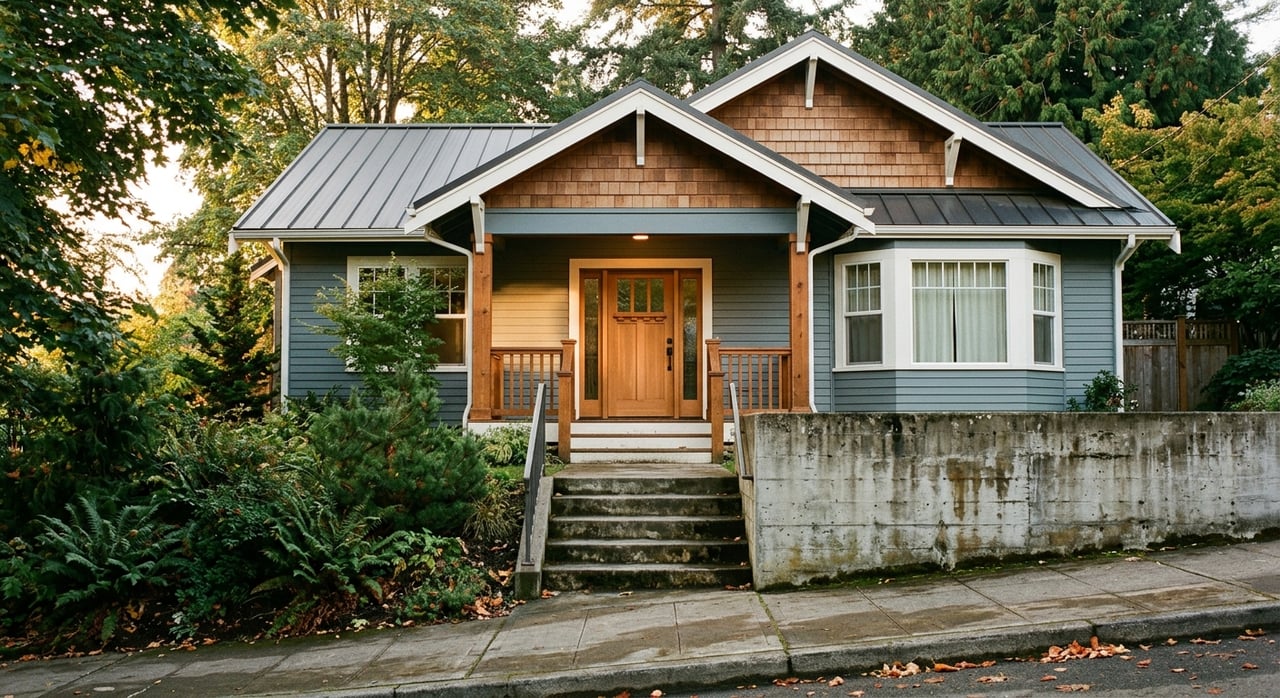
One reason Wallingford stands out is its built-in identity. Seattle’s design guidelines describe the neighborhood as an early-20th-century streetcar suburb with narrow lots, older homes, and many bungalows. Those same guidelines note hallmark bungalow features like open interior planning, large glass areas, porches, and terraces.
Historic Wallingford also points to a strong mix of Craftsman and revival-style homes. For buyers, that means character is not a bonus feature here. It is often part of the reason they are shopping in Wallingford in the first place.
Why original style matters
Buyers are often drawn to homes that feel authentic to the neighborhood. In Wallingford, that can mean a front porch that feels welcoming, woodwork that has been cared for, or a layout that preserves the home’s original personality. A house does not need to feel frozen in time, but it should feel connected to its setting.
The strongest impression usually comes from homes that preserve their architectural identity while removing obvious signs of deferred maintenance. Buyers are more open to compromising on style than on location, but in a premium neighborhood like Wallingford, style still shapes first impressions and perceived value.
Function matters as much as size
Today’s buyers are willing to make some trade-offs, but they still want a home that works. National buyer data shows a median purchase size of 1,900 square feet, with 3 bedrooms and 2 full bathrooms, and 79% of buyers purchased homes with 3 bedrooms or more. At the same time, many buyers are more flexible about size, garage space, and room dimensions than they used to be.
That shift does not mean buyers want less usefulness. It means they want spaces that can do more.
Flexible rooms win attention
A key example is workspace. Recent buyer research found that 51% said an extra room for a home office was very or extremely important, and 30% wanted a separate office structure. In Wallingford, where many homes were built long before remote work became common, a flex room, finished attic nook, or well-staged office corner can make a real difference.
This is especially relevant because smaller households are common. With 64% of households now made up of one or two people, buyers are often less focused on having oversized rooms and more focused on having adaptable ones. A guest room that also works as an office or a lower level that supports multiple uses can feel more valuable than raw square footage alone.
Main-level living has appeal
Ease of living is another growing priority. Buyer surveys found strong interest in features like single-story living, walk-in showers, and wider doorways. In Wallingford, that gives added appeal to bungalows and homes with practical main-level flow.
If your home offers easy circulation, a bedroom and bath on the main floor, or a layout that feels simple to navigate, those points are worth highlighting. These features support comfort and convenience, which many buyers now see as part of long-term livability.
Move-in ready beats project potential
Buyers may appreciate character, but they do not want a long punch list. Research shows buyers are more likely to pay attention to homes that feel durable, updated, and easy to enjoy from day one. Turnkey presentation is especially important in a neighborhood where pricing already sits at a premium.
Zillow’s 2026 listing analysis found that turnkey homes sold for 2.9% more than expected, remodeled homes for 2.2% more, and fixer-uppers sold for 14% less. That gap is hard to ignore.
Kitchens still lead the list
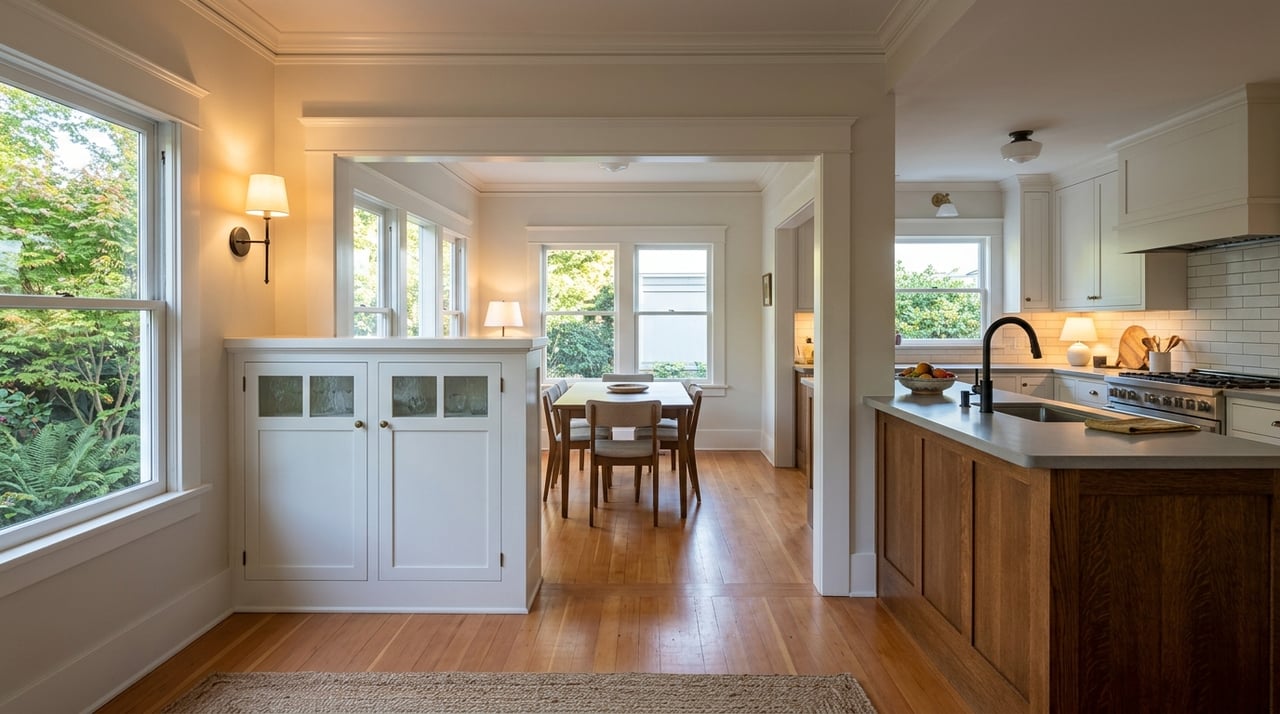
Among desired upgrades, a more modern and better-equipped kitchen ranks at the top. Buyers want a kitchen that supports daily cooking and feels current without clashing with the home’s style. In Wallingford, the best kitchens often blend updated function with details that still feel consistent with the home.
That does not always require a full remodel. Clean finishes, better lighting, updated hardware, refreshed cabinetry, and durable countertops can go a long way if the overall result feels cohesive and well cared for.
Buyers notice comfort upgrades
Buyers are also paying attention to features that improve day-to-day comfort. Research points to interest in efficient insulation, HVAC, lighting, and appliances, along with water filtration, indoor air filtration, and security features. These may not always create the emotional reaction of a new kitchen, but they can support stronger perceived value.
If your home includes these updates, they should not be buried in the background. Buyers often see them as proof that the home has been thoughtfully maintained.
Lifestyle features help Wallingford homes compete
A Wallingford home is not sold by the house alone. Buyers are also responding to the lifestyle around it. Recent housing trend research shows high interest in access to nature, walkability to coffee shops and casual dining, nearby trails, small neighborhood parks, and larger open spaces.
That aligns naturally with Wallingford’s appeal. For sellers, it means your listing story should connect the home to how people actually live in the neighborhood.
Outdoor space still matters
Usable outdoor space remains a strong selling point. Even modest patios, porches, terraces, decks, and roof decks can add value when they feel intentional and inviting. In Seattle trend data, features like front patios, large decks, private roof decks, and one-story homes posted strong sale-to-list ratios during winter 2025.
For Wallingford homes, this is especially useful because many properties have smaller lots. Buyers are often less concerned with having a huge yard and more interested in having an outdoor area that feels private, pleasant, and easy to use.
Fireplace, porch, and detail still sell
Some of the features that show well are also the ones that reinforce Wallingford’s identity. Seattle trend data showed strong performance for wood-burning fireplaces, detached garages, fruit trees, and front patios. These details help buyers picture a lifestyle, not just a floor plan.
That is why cosmetic preparation matters. A clean porch, warm lighting, polished hardware, and trimmed landscaping can make classic features feel like assets instead of maintenance items.
What shows best online
Before many buyers ever visit in person, they have already judged the home online. Zillow reports that 68% of prospective buyers had viewed homes on a real estate website, 48% had contacted an agent, and 41% had attended an open house or private tour. Strong digital presentation is no longer optional.
High-resolution photography, virtual tours, and interactive floor plans help listings sell faster and for more money. In a fast-moving neighborhood like Wallingford, that early online impression can shape how much urgency a listing creates.
Focus on the rooms buyers care about
According to the 2025 NAR staging report, buyers’ agents ranked photos as the most important listing element, followed by traditional staging, videos, and virtual tours. The rooms that matter most are the living room, primary bedroom, and kitchen. Those are also the spaces sellers’ agents stage most often.
If you are preparing a Wallingford home for market, these rooms deserve the most attention. They should feel bright, clean, open, and easy to understand in photos.
Staging supports visualization
The same staging report found that 83% of buyers’ agents said staging made it easier for buyers to visualize a property as a future home. Nearly half said staging helped homes sell faster, and 29% said it increased the dollar value offered by 1% to 10%.
That does not always mean full-scale staging. Decluttering, light cosmetic fixes, and a thoughtful furniture plan can often create a stronger result than a larger remodel done too close to market.
What this means for Wallingford sellers
If you are selling a Craftsman or bungalow, your best strategy is usually to preserve the details that make the home feel like Wallingford while updating the parts that buyers rely on every day. Restored woodwork, repaired porch details, clean windows, restrained paint colors, and warm lighting can reinforce the home’s identity. Pair that with an updated kitchen or bath presentation, and the home is more likely to feel both distinctive and ready.
If you are selling a townhome, the story is a little different. Buyers are often looking for efficient use of space, natural light, storage, a clear office or flex area, and any outdoor feature that adds livability. A polished kitchen and a layout that feels easy to use will usually matter more than total size.
Pricing needs to match today’s market
Wallingford is competitive, but pricing still needs discipline. A 99.5% sale-to-list ratio and 18 median days on market suggest that buyers are engaged, but they are not ignoring condition or presentation. The homes that look well maintained and market-ready are better positioned to support a firm asking price.
This is where local strategy matters. Pricing should be anchored to current comparable sales and to how your home will actually be perceived by buyers today, not how the market felt a few years ago.
If you want to know how your Wallingford home fits today’s buyer expectations, Ken Graff can help you build a pricing and marketing plan that reflects the neighborhood, the market, and the features buyers are responding to right now.
FAQs
What do buyers want most in a Wallingford home?
- Buyers are looking for a mix of character, function, and move-in-ready condition, with strong interest in practical layouts, updated kitchens, flexible work space, and features that fit Wallingford’s architectural style.
How competitive is the Wallingford real estate market?
- Based on March 2026 sales, Wallingford had a median sale price of $999,950, median days on market of 18, a 99.5% sale-to-list ratio, and 14% of homes sold above list price.
Do Wallingford buyers prefer updated homes or fixer-uppers?
- Current research shows buyers are responding more strongly to turnkey and remodeled homes, while fixer-uppers tend to sell at a discount.
What rooms matter most when selling a Wallingford house?
- The living room, primary bedroom, and kitchen tend to matter most in listing presentation, staging, and photography because they help buyers picture daily life in the home.
Are older Wallingford homes still attractive to buyers?
- Yes. Wallingford’s older bungalows, Craftsman homes, and revival-style houses remain appealing, especially when their original character is preserved and the home feels well maintained.
What should Wallingford sellers improve before listing?
- Sellers should focus on decluttering, light repairs, strong photography, thoughtful staging, and updates that improve daily livability, especially in kitchens, baths, and main living areas.