Torn between a Capitol Hill condo and a townhome in 98102? You are not alone. With great transit, energy, and a mix of building types, the right choice comes down to how you want to live and what you want to maintain. In this guide, you will learn the key differences in ownership, day‑to‑day lifestyle, costs, parking, and risk so you can buy with confidence. Let’s dive in.
Condo vs townhome: what you actually own
Condos in Washington
A condominium is a legal form of ownership under Washington law. You own a defined unit plus a shared interest in the building’s common areas. The association, guided by the declaration and bylaws, typically maintains and insures the exterior, roof, shared systems, and common amenities. For definitions and owner duties, see the Washington Condominium Act in RCW 64.34.
Recent updates to Washington’s uniform common‑interest statute, known as WUCIOA, affect how associations operate and what protections owners have. Communities created after WUCIOA’s adoption are governed by it, and legislative changes in 2024–2025 may impact older associations over time. If you want to read the statute, review RCW 64.90 and confirm current requirements with your attorney or broker.
Townhomes in Seattle
“Townhome” is a product style, not a single legal category. In Capitol Hill, a townhome may be fee‑simple (you own the land and structure) or it may be part of a condominium project with shared elements. The difference matters for taxes, maintenance responsibilities, remodeling approvals, and how lenders underwrite the property. You can confirm the legal form in King County’s parcel records using Property Research, which shows whether a home is a separate parcel or a condo unit.
How they live in Capitol Hill
Space and layout
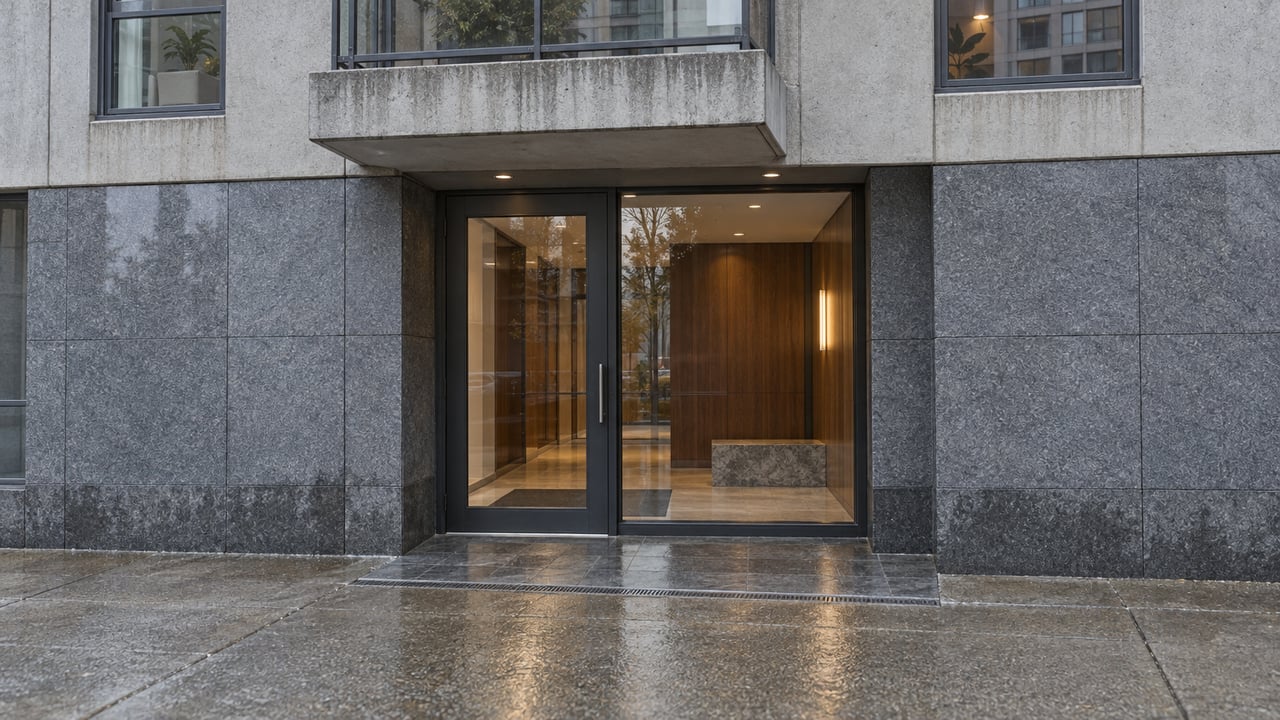
Capitol Hill condos often deliver single‑level living with efficient floor plans, ideal for one‑ to two‑bedroom buyers. Many buildings offer elevators, rooftops, and gyms. You will see more of this near Broadway and the Pike‑Pine core.
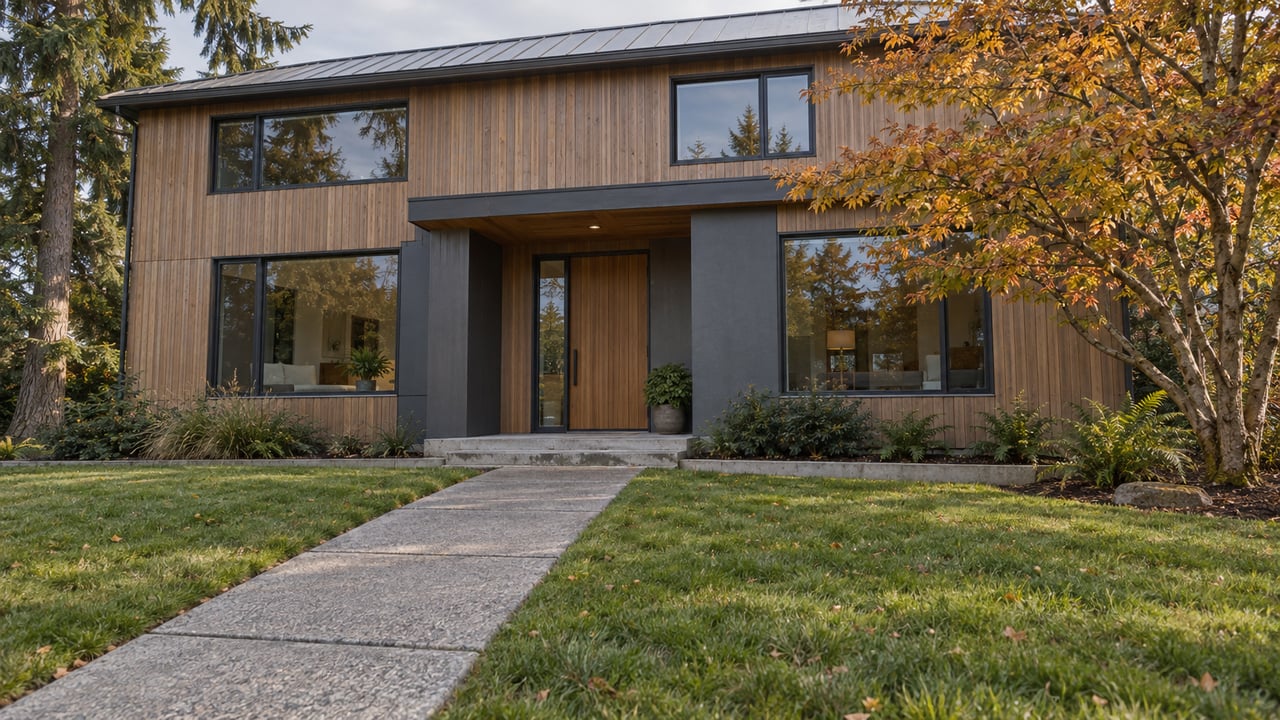
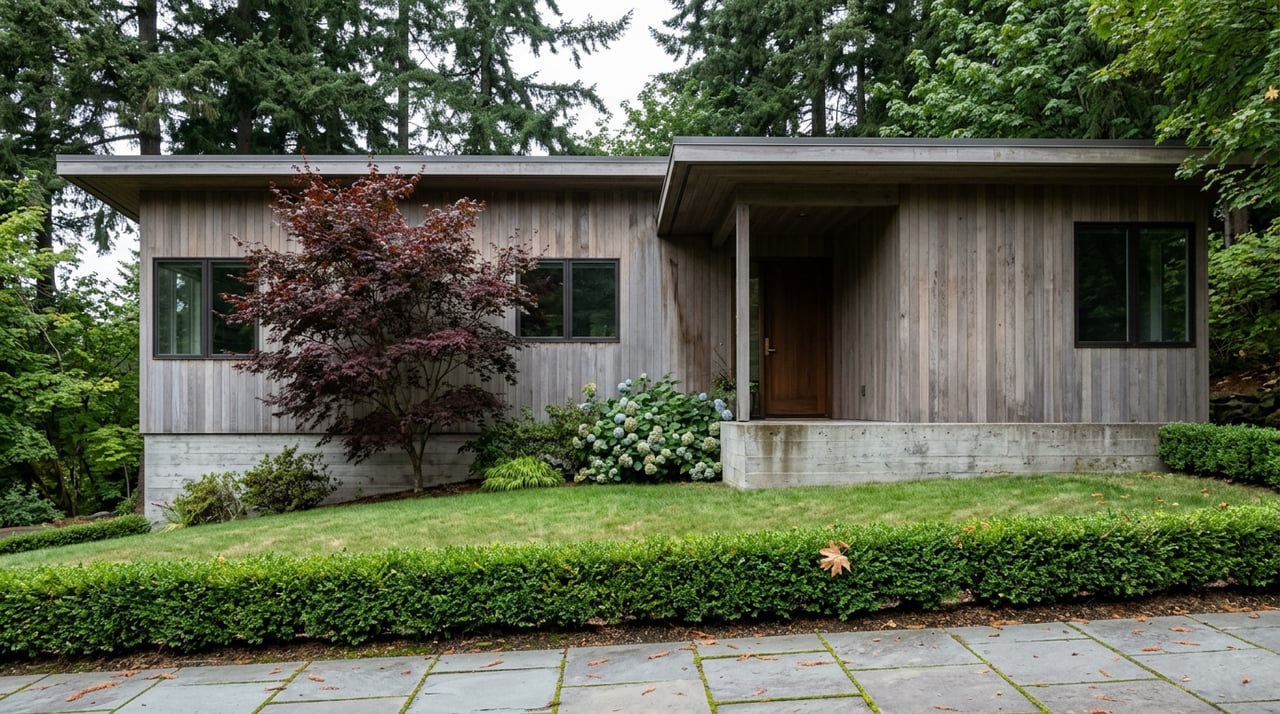
Townhomes tend to be multi‑level with private entries, more storage, and often a garage or parking pad. They feel closer to a house with minimal yard care. Newer infill clusters are common on quieter side streets.
Walkability and transit
Capitol Hill is among Seattle’s most walkable neighborhoods, with Walk Scores in the 90s across much of 98102. You can handle many daily errands on foot; check a representative area’s score on Walk Score. Link light rail at Capitol Hill Station and frequent bus routes make commuting to downtown or the University of Washington simple. If transit is your priority, both condos and townhomes near the station can be a strong fit.
Parking and permits
On‑street parking pressure is real in Capitol Hill. Many blocks are part of Restricted Parking Zones (RPZs). RPZ permits help limit nonresident parking but do not guarantee a space. If you plan to own a car, confirm whether a condo includes deeded or assigned parking, or if stalls are rented month to month. Review Seattle’s RPZ rules and eligibility on the Seattle DOT RPZ page.
Noise and nightlife
Proximity to restaurants, bars, and entertainment is a big draw in Capitol Hill. That also means more evening and weekend activity, especially closer to Pike‑Pine and Broadway. If you prefer calmer nights, look for units with better sound isolation, higher floors, or townhomes on uphill side streets. Visit any property at different times of day to gauge your comfort.
Money, dues, and risk
Pricing snapshot
Market snapshots can vary by data source and time window. As an example, Redfin’s early‑2026 read on all home types in Capitol Hill showed a median sale price around $549,000. Listing‑based medians for 98102 reported elsewhere have trended higher at times. Always timestamp your data and rely on current NWMLS comps when you are ready to write an offer.
HOA dues, reserves, and special assessments
HOA dues vary widely. Many amenity‑rich condo buildings have higher monthly dues that cover building insurance, common utilities in some cases, maintenance, reserves, and management. Small fee‑simple townhome communities may have lower dues that focus on shared driveways or landscaping. The key is to read what the dues include and how the reserve fund is managed. Ask for the resale packet, current budget, and most recent reserve study, and learn how the board plans to fund big items like roofs, siding, or elevators. For a practical overview of what to look for, see this guide to reviewing HOA documents.
Reserve strength matters. If reserves are low and major components are due, owners may face higher dues or a special assessment. Comparing the reserve study’s recommended contributions to the current budget is a simple way to gauge building health.
Insurance basics
Condo buyers typically carry an HO‑6 policy for interior finishes, personal property, liability, and loss‑assessment coverage. Policies vary depending on whether the association’s master coverage is “all‑in” or “bare‑walls.” Ask for the association’s insurance certificate so you understand deductibles and where your policy must pick up. For a plain‑English overview, read this condo insurance explainer.
Fee‑simple townhomes often use a standard homeowner policy (HO‑3 or HO‑5) that covers the building structure and the land. If a townhome sits within a condominium legal structure, the HO‑6 approach may still apply. The legal form and the HOA’s master policy control your coverage needs.
Financing and resale risk
Some condo projects are tougher to finance if they have factors like low owner‑occupancy, high investor concentration, litigation, or insufficient insurance. Lenders check condo project standards set by Fannie Mae, Freddie Mac, and HUD. A building that does not meet these standards may narrow your buyer pool and affect resale. For details, review Fannie Mae’s project standards overview.
Due‑diligence checklist before you offer
- Confirm legal form: fee‑simple parcel or condo unit using King County Property Research.
- Request the HOA resale packet or resale certificate, current budget, and most recent reserve study. Use this HOA documents checklist to guide your review.
- Review board minutes from the last 12–24 months for vendor issues, deferred maintenance, upcoming projects, and discussions of special assessments.
- Get the association’s insurance certificate and note master policy type and deductible. Align your policy accordingly using this condo insurance guide.
- Ask about pending or threatened litigation and any recent special assessments.
- Verify parking rights: deeded, assigned, or rented, plus guest and RPZ rules. See Seattle’s RPZ info.
- For older buildings or conversions, ask for records of seismic, structural, siding, window, elevator, or roof work. Confirm permits through King County Property Research.
- Confirm with your lender whether a condo project is eligible for your financing type and whether a project review is required. See Fannie Mae’s project standards for context.
- Build a full monthly budget: mortgage, property tax, HOA dues, insurance, utilities, and a reasonable allowance for potential special assessments.
Plan a specific documents‑review contingency in your offer so you have time to analyze the packet and ask questions.
Which is right for you?
The transit‑first professional
You want a simple, low‑maintenance home near the station and Pike‑Pine. A condo with secure entry, elevator access, and building amenities fits a lock‑and‑leave lifestyle. If you do not need a car, an assigned stall is optional. Focus on sound isolation, HOA financials, and your commute.
The downsizer who wants a garage
You prefer more storage and a private entry without a big yard. A fee‑simple townhome with an attached garage can deliver a house‑like feel but with simpler exterior care. Confirm the legal form, garage access, and whether the HOA covers shared driveways. If stairs are a concern, look for floor plans with a bedroom level near the main living space.
The hybrid decision
Many buyers like both options. If you want condo amenities but also value privacy, target smaller buildings on quieter blocks. If you want townhome space but crave central access, look for infill clusters a few blocks off Broadway. In every case, confirm legal form, HOA strength, and parking rights.
Local resources
- Washington Condominium Act definitions and duties: RCW 64.34
- Washington Uniform Common Interest Ownership Act: RCW 64.90
- King County parcel and condo research: Property Research
- Seattle Restricted Parking Zones: RPZ permits and rules
- Sound Transit station details: Capitol Hill Station
- Condo project financing standards: Fannie Mae overview
Ready to narrow your options in Capitol Hill? Get tailored comps, HOA packet guidance, and a parking strategy that fits your lifestyle. Reach out to Ken Graff to compare specific condos and townhomes in 98102 and move forward with confidence.
FAQs
What is the core difference between a condo and a townhome in 98102?
- A condo is ownership of a unit within a building under state condo law, while a townhome can be fee‑simple land ownership or a condo unit that looks like a townhouse; confirm legal form in King County records.
How do HOA dues typically compare in Capitol Hill?
- Condo buildings with amenities often have higher dues that cover insurance, maintenance, and reserves, while small fee‑simple townhome HOAs may be lower and cover limited shared items.
What should I know about parking when buying in Capitol Hill?
- On‑street parking is competitive and many blocks require RPZ permits that do not guarantee a space; verify whether your unit includes deeded or assigned parking and review RPZ rules.
How can I confirm if a townhome is fee‑simple in King County?
- Use King County’s Property Research tool to see if the home has its own parcel number (fee‑simple) or is listed as a condo unit within a recorded condominium project.
Are Capitol Hill condos easy to finance with conventional loans?
- It depends on the building’s project eligibility; lenders check factors like owner‑occupancy, insurance, and litigation against standards such as Fannie Mae’s project rules.