Looking for a Seattle neighborhood that feels quieter and more tucked away, but still keeps you close to the city? Magnolia stands out for exactly that reason. If you are weighing a move here, this guide will help you understand daily life, outdoor access, housing options, and what makes Magnolia different from other Seattle neighborhoods. Let’s dive in.
What living in Magnolia feels like
Magnolia sits northwest of downtown Seattle and has a mostly residential feel. According to King County, the neighborhood is somewhat isolated from the rest of Seattle, with only three main access points, limited retail and commercial use, and a small-community atmosphere.
That setup shapes everyday life in a real way. You get a more contained, neighborhood-oriented experience, while still being connected to downtown and other parts of Seattle. Along the northeastern and eastern edges, Magnolia transitions into Fisherman’s Terminal and Interbay, where marine industry, rail yards, and cruise-terminal activity meet the residential core.
Magnolia Village anchors daily life
For many residents, Magnolia Village is the heart of the neighborhood. It gives you a compact commercial center for errands, dining, and local services without changing the area’s residential character.
The Magnolia Chamber of Commerce lists a range of local businesses in the village area, including spots like Albertsons, Magnolia Village Pub, and Taqueria la Sabrosita. That mix helps support day-to-day convenience while keeping the scale more local than city-center shopping districts.
The Magnolia Farmers Market adds another rhythm to neighborhood life. It operates on Saturdays from June through October at West McGraw Street and 33rd Avenue West, giving residents a seasonal gathering point in the village core.
Another practical amenity nearby is the Seattle Public Library’s Magnolia Branch. The branch offers free parking, bus access, a meeting room, a study room, public computers, Wi-Fi, printing, scanning, and accessibility features, making it a useful part of everyday living.
Parks and trails are a major draw
One of Magnolia’s biggest advantages is how easy it is to spend time outdoors. The neighborhood combines local parks with one of Seattle’s most significant natural spaces.
Discovery Park defines outdoor living
Discovery Park is Magnolia’s signature destination and Seattle’s largest park. Seattle Parks describes it as a natural-area park with miles of trails, two miles of protected tidal beaches, open meadows, sea cliffs, forest groves, dunes, thickets, and streams.
In practical terms, that gives you a lot of variety close to home. Some days that may mean a quick trail walk, and other days it may mean beach time, bluff views, or a longer outing through forest and meadow areas. The park also offers broad views of the Cascade and Olympic ranges.
Smaller parks support everyday routines
Magnolia also has smaller parks that fit more easily into daily life. Magnolia Park sits on the bluff and includes Puget Sound views, picnic areas, tennis courts, restrooms, grills, a play area, and drinking fountains.
Magnolia Manor Park adds an off-leash area, walking path, picnic tables, benches, and one of Magnolia’s first P-Patches. For residents who want nearby outdoor space without planning a full park day, those smaller amenities can matter just as much as the larger destination parks.
Magnolia Community Center is another neighborhood asset. Built in 1952 and renovated in 2025, it sits next to the Magnolia Playfield and the summer-only Mounger Pool, and offers childcare, youth programs, sports, and seasonal community events.
Water and view homes shape Magnolia’s appeal
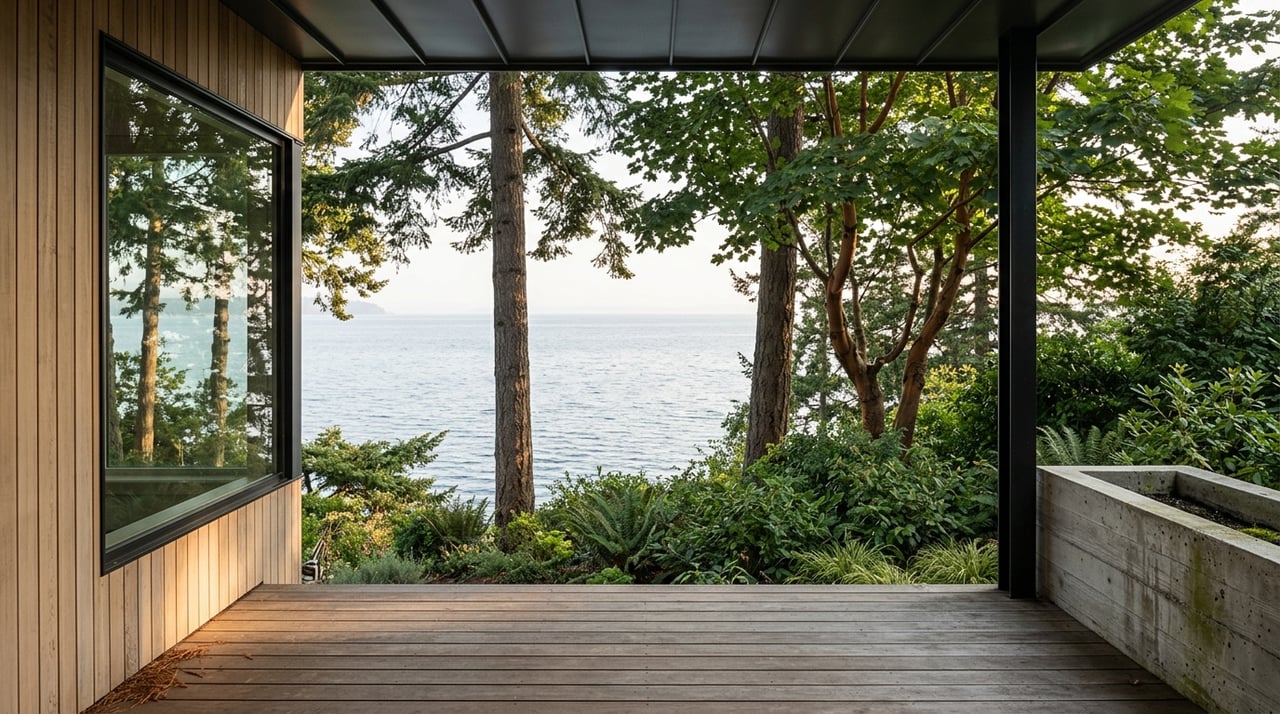
Magnolia is one of those Seattle neighborhoods where the landscape shows up directly in the housing stock. Views are not just a bonus here. They are a meaningful part of the market.
King County estimates that about 40% of parcels in Magnolia have some degree of view. Those views often include Puget Sound, the Seattle skyline, and the Cascade or Olympic mountains.
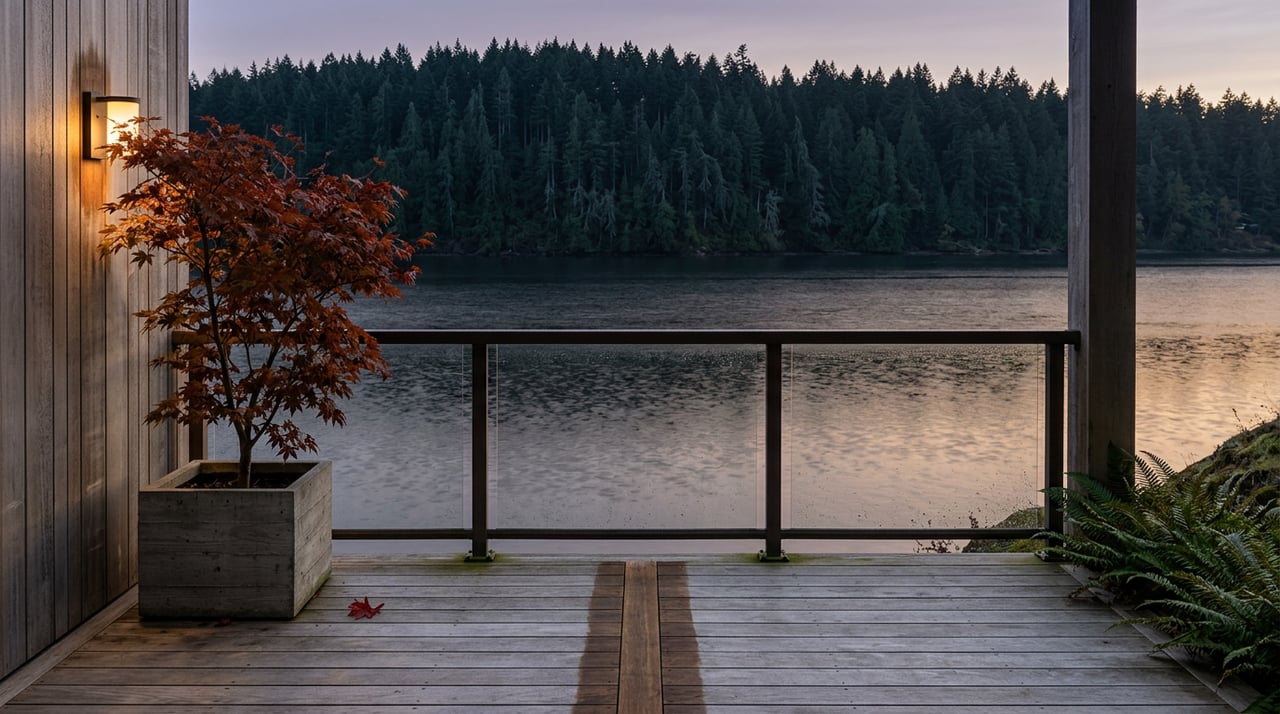
Along the western and southern edges, waterfront properties add another layer to the neighborhood’s appeal. The assessor notes both high-bank and low-bank waterfront segments, and some low-bank parcels on Shilshole Bay may include private moorage or docks.
That helps explain why Magnolia often attracts buyers looking for a residential setting with a premium outlook. Demand for water, mountain, and city views remains strong, which supports the neighborhood’s reputation for high-value view inventory.
Homes in Magnolia range from classic to custom
If you tour homes in Magnolia, you will likely notice a strong sense of architectural continuity. King County reports that most homes in the area were built in the late 1930s and 1940s, so the neighborhood has a large base of older single-family homes and remodeled character properties.
At the same time, Magnolia is not frozen in one era. The assessor shows a wide range of building grades, from smaller older homes to larger custom-quality houses, including examples built in the 2000s and 2010s.
That mix creates a market where you may see:
- Long-held single-family homes
- Updated or expanded older houses
- Remodel opportunities
- Newer custom homes, especially in premium view locations
For buyers, that means Magnolia can offer both charm and higher-end modern inventory, depending on where and what you are searching for.
Why inventory can feel limited
Magnolia’s housing supply is naturally constrained. King County says about 96% of parcels are already improved, and undeveloped land is limited or unbuildable in many locations.
Because of that, new construction often happens through teardown-and-rebuild projects rather than large-scale new development. In plain terms, if you are shopping in Magnolia, you are usually choosing among existing homes, renovated properties, and a smaller number of newer custom builds, not broad stretches of vacant land.
This can affect both pace and expectations. Well-positioned homes, especially those with views or updated interiors, may stand out quickly because the neighborhood’s inventory base is finite.
Commute and access matter in Magnolia
Magnolia’s tucked-away feel is part of its appeal, but it also affects how you get around. King County notes that the neighborhood has only three main access points, which can make commute timing more sensitive to bridge and arterial traffic.
That does not mean Magnolia is disconnected. It means route planning matters more here than in some more grid-connected Seattle neighborhoods.
Magnolia is bus-oriented
Current King County Metro service shows a bus-oriented transit network. Route 24 connects Magnolia with Seattle Center and Downtown Seattle.
Routes 31 and 32 connect Magnolia with the University District, Wallingford, Fremont, Seattle Pacific University, and Seattle Center. Route 33 serves Discovery Park, Magnolia, and Downtown Seattle.
For many residents, that means you can stay connected without relying on just one destination or corridor. Still, your daily experience will depend on your exact location in Magnolia and the timing of your commute.
Who Magnolia tends to fit well
Magnolia can appeal to a few different kinds of buyers because it blends residential calm with access to nature and select premium housing. If you are trying to picture whether it fits your lifestyle, focus on how you want your days to feel.
Magnolia may be a strong fit if you want:
- A primarily residential neighborhood with a village-style core
- Regular access to trails, beaches, parks, and open space
- A housing stock with older character homes and remodeled options
- Potential for water, mountain, or skyline views
- A neighborhood feel that is distinct from denser urban districts
It may require more thought if your top priority is a highly connected street grid or a larger commercial district right outside your door. Magnolia offers convenience, but it does so on a smaller, more neighborhood-scaled level.
What to keep in mind before moving
The best way to think about Magnolia is as a neighborhood of balance. You get village conveniences, major park access, and sought-after view properties within a contained residential setting.
That combination is hard to replicate in Seattle. It is also why Magnolia continues to attract buyers who want both calm surroundings and long-term value in a well-established neighborhood.
If you are considering buying or selling in Magnolia, working with a team that understands block-by-block differences, view premiums, and housing mix can make your next move more strategic. To talk through Magnolia homes, pricing, or your next step in Seattle real estate, connect with Ken Graff.
FAQs
What is Magnolia in Seattle known for?
- Magnolia is known for its primarily residential setting, Magnolia Village, Discovery Park, and a housing market shaped by older homes, view properties, and some waterfront locations.
What is daily life like in Magnolia Village?
- Magnolia Village serves as the neighborhood’s compact commercial core, with local businesses, seasonal farmers market activity, and practical amenities like the Magnolia Branch of the Seattle Public Library.
What parks and trails are in Magnolia, Seattle?
- Magnolia includes Discovery Park, Magnolia Park, Magnolia Manor Park, and the Magnolia Community Center area with the playfield and seasonal Mounger Pool.
What types of homes are common in Magnolia?
- Many Magnolia homes were built in the late 1930s and 1940s, and the neighborhood also includes remodeled character homes and a smaller number of newer custom houses.
How do you commute from Magnolia to downtown Seattle?
- Magnolia is served by bus routes including Metro Route 24 and Route 33 to Downtown Seattle, along with Routes 31 and 32 to other Seattle destinations, but commute timing can be affected by limited access points and arterial traffic.
Are view homes common in Magnolia, Seattle?
- King County estimates that roughly 40% of Magnolia parcels have some degree of view, often including Puget Sound, the Seattle skyline, or the Cascade and Olympic mountains.