Why do two similar homes in Old Ballard sell for very different prices? If you have walked NW Market Street or Ballard Avenue, you know every block feels a little different. That variety is exactly why prices can swing more than you expect, even within a few doors.
In this guide, you will learn the micro-level factors that shape value in Old Ballard and how to spot them fast. You will see what to check on foot, how to compare nearby sales, and how to plan your next move with confidence. Let’s dive in.
What really moves prices in Old Ballard
Walkability to Market St and Ballard Ave
Walkable access to restaurants, coffee, grocery, and nightlife drives demand in Old Ballard. Many buyers trade size and yard for the ability to step out the door and be on Ballard Ave in minutes. Homes on or a block off the core often see strong interest, though some blocks experience evening noise or parking pressure.
Quick checks:
- Count actual walking minutes to Market St and Ballard Ave.
- Note sidewalk width, crosswalks, and lighting.
- Visit during day and evening to gauge activity and noise.
- Confirm whether the home faces the commercial corridor or sits on a quieter side street.
Lot size, shape and orientation
Lot attributes influence outdoor living, expansions, and redevelopment potential. Larger or deeper parcels often command premiums because they support ADUs, garages, and better floor plans. Odd shapes or steep topography can limit use.
Quick checks:
- Verify lot size, width, and depth from public records.
- Look for easements, setbacks, and drainage issues.
- Note solar exposure for decks and rooftop spaces.
- Confirm what zoning and lot coverage rules allow on the parcel.
Home type and condition
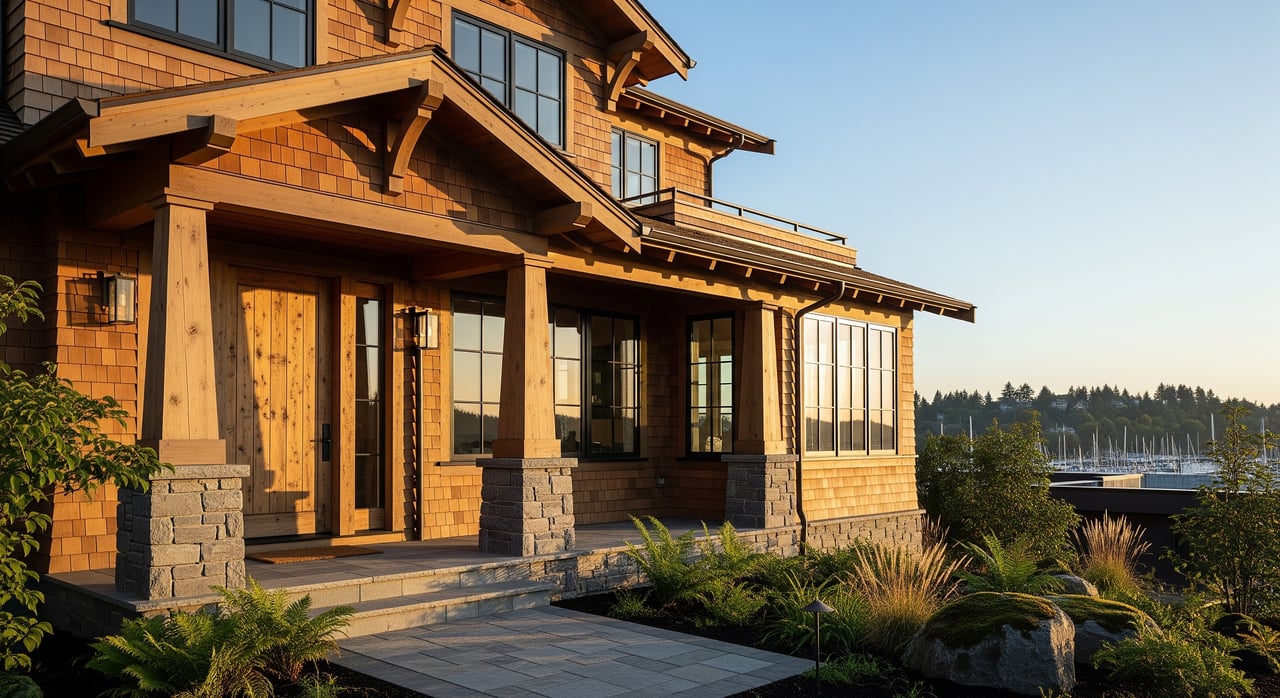
Old Ballard blends craftsman-era homes, mid-century properties, townhomes, and condos. Buyers pay for different things: character and yard vs modern layouts and low maintenance. Condition and systems often outweigh style.
Typical tradeoffs:
- Craftsman: character, larger yards, mature landscaping. May need updates to electrical, plumbing, or floor plan flow.
- Newer townhome: efficient layouts, en-suite baths, rooftop decks. Often little private yard and finishes vary.
Quick checks:
- Year built and major updates by permit history.
- Roof, foundation, mechanicals, and energy upgrades.
- Kitchen and bath modernization.
- Bed and bath count aligned with today’s expectations.
ADU potential and flexibility
Seattle’s ADU and DADU rules are more permissive than in the past. A legal unit or a clear path to add one can widen the buyer pool and add income potential. The premium depends on buyer appetite and local rents.
Quick checks:
- Confirm existing ADU permits and layouts.
- Review lot space for a DADU and alley or driveway access.
- Check sewer, water, and electrical capacity for an additional unit.
- Verify current rules on ADUs and any short-term rental limits.
Views, elevation and privacy
Views of Puget Sound, the Olympics, Shilshole, or the city skyline can drive measurable premiums. Elevation and orientation matter, as do rooftop decks that capture outlooks. Future development can change a view.
Quick checks:
- Identify view type and how much of it is permanent or at risk.
- Check neighboring parcels for recent or pending permits.
- Visit at different times to see light and sun angles.
- Note whether the home has been marketed as a view property before.
Parking, curb appeal and access
Parts of Old Ballard have tight on-street parking. Off-street spots, garages, and alley access broaden the buyer pool, especially for commuters and families.
Quick checks:
- Confirm garage size and driveway length.
- Visit during peak evening hours to gauge street parking.
- Note curb cuts, alley conditions, and any permit-parking rules.
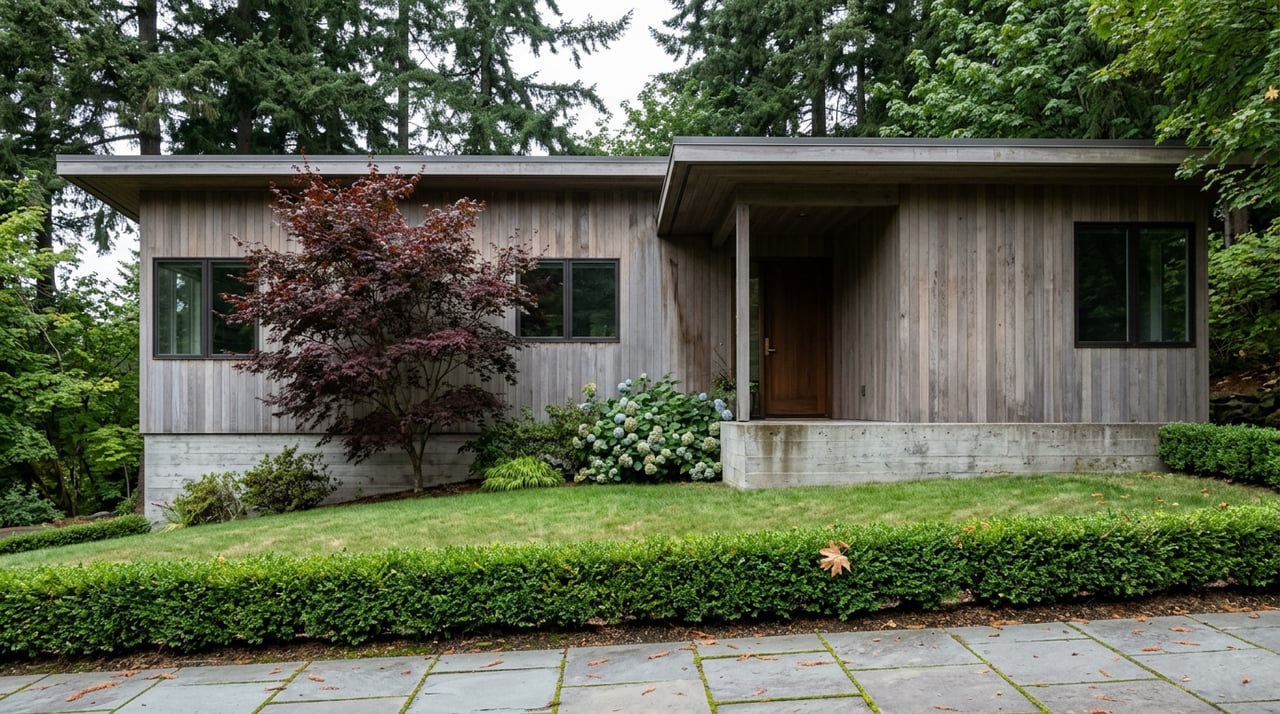
- Assess curb appeal and front entry visibility from the street.
Zoning and redevelopment
Zoning sets what you can build and how. Lots with increased density potential often attract builders or investors, which can lift land value. Historic controls or overlays can limit changes and shape demand.
Quick checks:
- Current zoning classification and any overlays.
- Allowed height, setbacks, lot coverage, and unit count.
- Nearby demolitions or new-build permits that signal change.
- Any inclusionary housing incentives that may apply.
Block anchors and nuisances
Immediate surroundings can tip demand up or down. Proximity to parks and trails is a plus, while late-night bar noise or delivery traffic may give some buyers pause. The impact varies by buyer type.
Quick checks:
- Day and night noise levels and foot traffic.
- Odors from restaurants or industrial uses.
- Street trees, lighting, and sidewalk conditions.
- If relevant, review public safety data as part of your diligence.
How to compare two Ballard homes
Use paired-sales logic
Compare recent sales within a tight time window and on the same block when possible. Adjust for the big drivers: lot size, living area, bed and bath count, parking, view, ADU income potential, and major renovations. If you cannot quantify an adjustment, call the difference out and lean on multiple comparable examples.
Map the micro-factors
Lay parcel boundaries, zoning, permits, parks, trails, and transit over a street map. You will see where development pressure clusters, where walkability peaks, and how close each home sits to Market St or the Burke-Gilman Trail. These layers make value patterns visible at a glance.
Market signals to watch in Old Ballard
Redevelopment activity
A run of demolition or new-build permits on a block points to rising land values and future design changes. Expect active investor interest where zoning and lot sizes support infill.
ADU language in listings
More homes marketed with a legal ADU or “ADU ready” indicate growing buyer demand for income flexibility. Those blocks often see stronger list-to-sale performance.
Days on market patterns
Faster sales and tight sale-to-list spreads near certain amenities show where demand concentrates. Track these patterns by micro-area, not just by ZIP code.
New businesses opening
A new grocery, destination restaurant, or neighborhood anchor on Market St or Ballard Ave can shift nearby desirability. Expect ripple effects on the adjacent residential blocks.
Who pays for what in Old Ballard
- Walkers and cyclists: pay premiums for Market St and Ballard Ave proximity and Burke-Gilman access. Often accept smaller lots.
- Families: value yards, bedroom count, and off-street parking. Often accept being a few blocks from the core.
- Downsizers: like low-maintenance townhomes or condos near amenities.
- Investors: focus on ADU income, multi-unit zoning, and blocks with active permit and sales turnover.
Seller playbook to maximize value
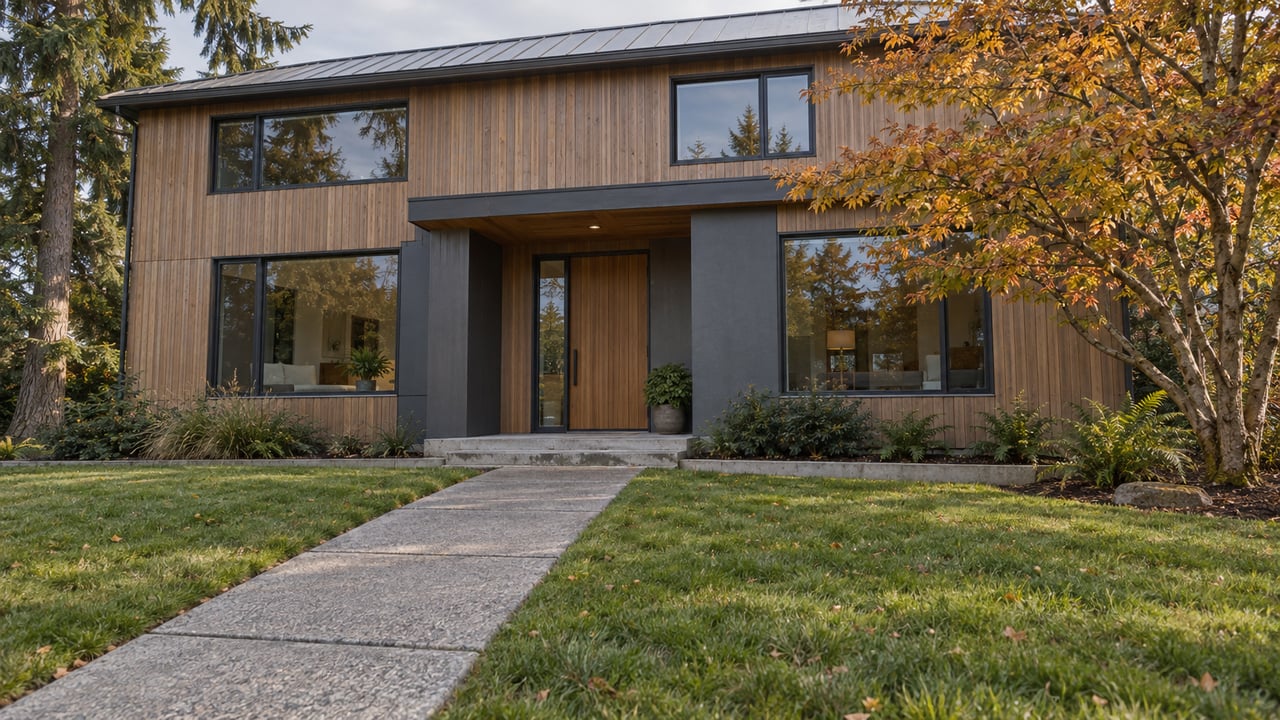
- Optimize curb appeal: clean lines, lighting, and clear entry make a strong first impression.
- Clarify development and ADU potential: gather permits, zoning details, and feasibility notes.
- Modernize where it counts: target kitchens, baths, and energy updates buyers notice.
- Stage to your audience: play up character for craftsman homes or lifestyle flow for townhomes.
- Price with micro-comps: use same-block or next-block sales and document adjustments.
Buyer checklist for street-level due diligence
- Walk the block day and evening to test noise, light, and foot traffic.
- Count available street spaces near peak hours.
- Time your walk to Market St and the nearest transit stop.
- Verify lot dimensions, zoning, permit history, and ADU feasibility.
- Scan for view risks from nearby permits or planned projects.
Get local guidance you can act on
Old Ballard rewards buyers and sellers who dig into the details. From walkability and views to ADU potential and zoning, small differences on the map lead to big differences in value. If you want a street-by-street plan to buy with confidence or sell for a premium, connect with Ken Graff. Get Your Free Home Valuation and a clear strategy tailored to your block.
FAQs
What makes one Old Ballard block pricier than the next?
- Proximity to Market St and Ballard Ave, lot size and shape, parking, and view potential often create price gaps even between adjacent blocks.
How close to Market St should I buy to balance walkability and noise?
- One to three blocks can offer strong access with less evening noise, but you should walk the route and visit at night to confirm the tradeoff.
Do ADUs increase resale value in Ballard?
- A permitted ADU or clear path to add one usually raises value due to income and flexibility, though the premium varies by buyer demand and rental potential.
Are older craftsman homes worth more than new townhomes in Ballard?
- Not always; character and yard can win for some buyers, while modern layouts, en-suite baths, and low maintenance can command similar or higher prices for others.
How important is off-street parking when selling in Old Ballard?
- Very; garages or dedicated spaces widen the buyer pool, while no parking can limit interest, especially among commuters and households with multiple cars.
Will future transit plans change Old Ballard prices?
- Major projects can shift values as accessibility improves, but timing and exact station locations matter; monitor planning updates and nearby sales for evolving effects.