If you want a Seattle neighborhood that feels connected, walkable, and rooted in everyday local life, Phinney Ridge tends to stand out fast. You are not just choosing a home here. You are choosing a ridge-top setting, a well-used main street, and easy access to some of the city’s most loved outdoor spaces. If you are wondering what daily life actually feels like in Phinney Ridge, this guide will help you picture it. Let’s dive in.
Phinney Ridge at a glance
Phinney Ridge has a distinct low-rise urban village feel. Instead of reading like a dense apartment district, it feels more like a residential neighborhood organized around a compact commercial spine and a strong local business culture.
The Phinney Neighborhood Association groups Phinney Ridge and Greenwood together as PhinneyWood, and that shared identity shapes a lot of neighborhood life. The association says local businesses are central to the area and reports nearly 800 activities annually, with more than 15,000 people coming through its doors each year.
Street feel and neighborhood character
One of the first things many people notice about Phinney Ridge is its topography. According to King County’s 2025 area report, Phinney Avenue North and Greenwood Avenue North sit near the crest of the hill in the northern section, which helps create broad views toward the Olympics, Puget Sound, Green Lake, the Cascades, and the Seattle skyline.
That setting gives the neighborhood a sense of openness that can feel different from flatter parts of Seattle. Depending on where you are in the neighborhood, the view can become part of daily life rather than just a bonus feature.
The commercial corridors also have a specific personality. Seattle’s Greenwood/Phinney design guidelines describe them as traditional, utilitarian, and pedestrian-oriented, with storefronts encouraged at the sidewalk edge and public features like benches, lighting, bike racks, and public art.
In practical terms, that means many daily errands feel tied to a real main-street environment. You are more likely to experience the neighborhood through sidewalks, storefronts, and short walks between stops rather than through large-scale retail centers.
Outdoor life is a major draw
For many buyers, Phinney Ridge’s biggest lifestyle advantage is how close it is to major green space. Woodland Park Zoo sits right in the neighborhood at 5500 Phinney Ave N, which gives the area a unique local landmark and a strong connection to one of Seattle’s best-known attractions.
Woodland Park itself adds much more than zoo access. Seattle Parks describes it as a multipurpose park with trails, playfields, tennis courts, lawn bowling, horseshoe pits, a skatepark, picnic and open-space areas, and a large wooded dog off-leash area.
That kind of park access changes how a neighborhood feels day to day. It becomes easier to fit in a walk, time outside, or a casual weekend outing without needing to plan around a long drive.
Green Lake Park is also close enough to shape the lifestyle conversation. Seattle Parks says its water and green space draw thousands of people daily from around the city, which helps explain why this part of Seattle is so appealing to people who want outdoor options built into their routine.
If you like smaller-scale neighborhood amenities, Phinney Ridge also has the Phinney Ridge P-Patch, a 21-plot community garden established in 1991. It is a modest feature, but it adds to the neighborhood’s grounded, local character.
For dog owners, the Lower Woodland off-leash area is another practical plus. Seattle Parks lists it as a one-acre dog park on a slope near Woodland Park Zoo and Green Lake, which gives you a nearby option for regular dog exercise and social time.
Local business life feels active
Phinney Ridge is not just residential. It has an active neighborhood business district that supports daily convenience and a strong sense of place.
The Phinney Neighborhood Association says its business network and community-based events help support neighborhood growth. That matters because it points to a district that is not just surviving on pass-through traffic. It is supported by people who live nearby and use it regularly.
Events are a big part of that identity. The PhinneyWood Art Walk turns the Phinney-Greenwood corridor into a walkable gallery with artists, open studios, public art, and participating cafés, restaurants, and bars along the route.
The neighborhood food scene also gets regular attention. The Bite of PhinneyWood event features 20 local restaurants, bakeries, and cafés, which gives you a sense of how much dining variety is packed into the corridor.
Seasonal routines help reinforce that local feel. The Phinney Farmers Market runs on Fridays from June through September at the Phinney Center from 3 to 7 pm, with local produce, other goods, and live music.
Beyond events, the Phinney Neighborhood Association provides year-round programming that includes senior services, preschool and afterschool care, social services, and hot meal programming. That gives the neighborhood a level of institutional support that goes beyond restaurants and shops.
Getting around from Phinney Ridge
Phinney Ridge offers meaningful transit access, especially along its main north-south streets. For many residents, that creates flexibility without changing the neighborhood’s quieter, residential feel.
King County Metro Route 5 runs from Shoreline Community College through Greenwood, Woodland Park, Fremont, and downtown Seattle. Stops include Greenwood Ave N and Phinney Ave N and N 46th St, which helps connect the neighborhood to several major Seattle destinations.
Other routes add east-west reach. Route 45 connects Greenwood to Roosevelt, Green Lake, the University District, and Seattle Children’s Hospital, while Route 62 links Sand Point, Ravenna, Green Lake, Wallingford, Fremont, South Lake Union, and downtown Seattle.
For day-to-day life, the takeaway is fairly simple. You can expect useful bus access, especially near the main corridors, while still living in a neighborhood that often feels best experienced on foot and, for some errands, by car.
What homes in Phinney Ridge are like
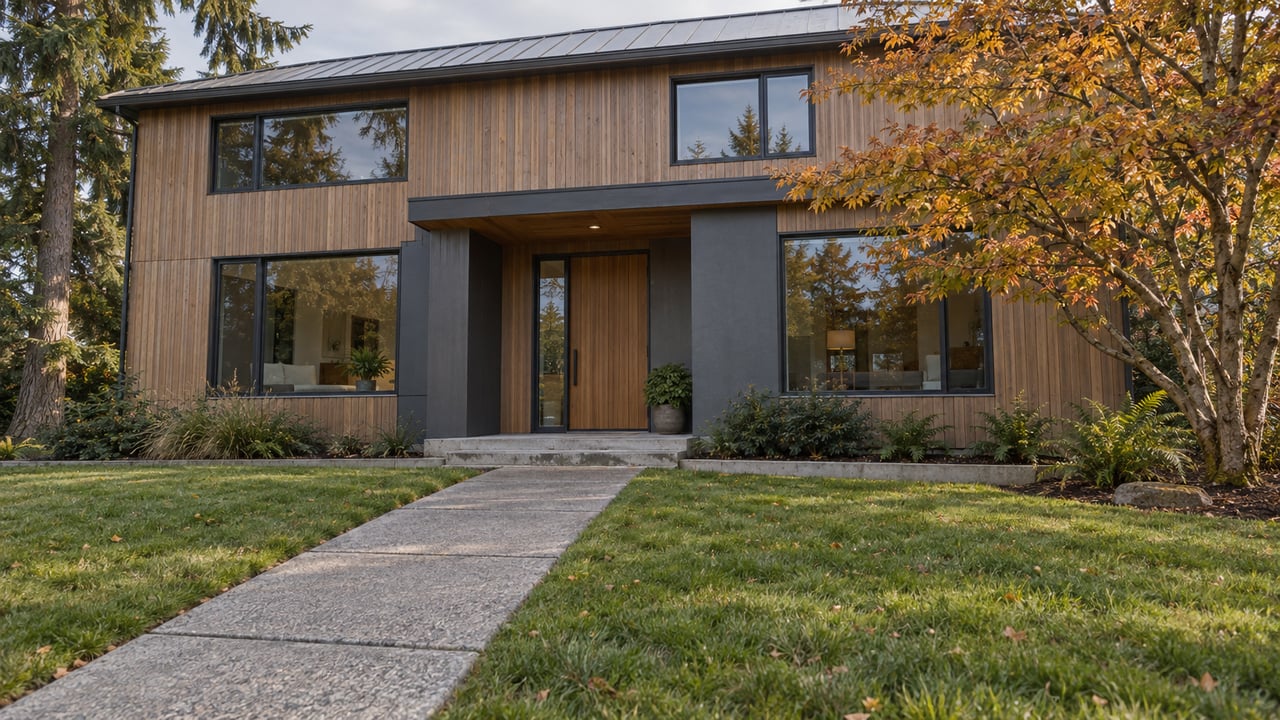
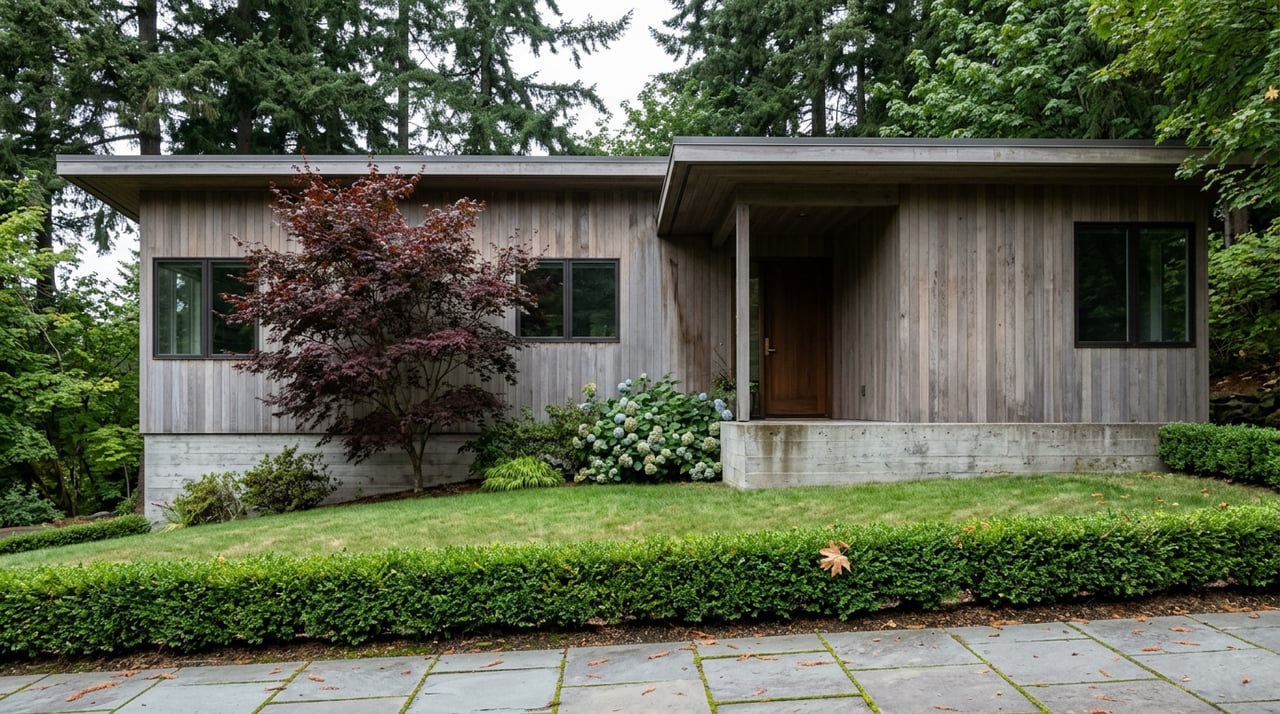
From a housing perspective, Phinney Ridge offers a mix that appeals to both character-home buyers and those looking for newer construction. The area is one of Seattle’s first developed neighborhoods, and King County reports that 67% of single-family homes in the broader Phinney Ridge and Fremont area were built before 1930.
That older housing stock is a big part of the neighborhood’s identity. If you are drawn to established Seattle homes with long roots, this is one reason Phinney Ridge stays on many buyers’ radar.
At the same time, this is not a neighborhood frozen in place. King County says townhome construction has continued to grow, with 297 new townhome units added since the prior inspection and 1,160 parcels containing townhomes across the broader area.
The county also reports that about 30% of the broader area is zoned for higher-density development. Within Phinney Ridge itself, the housing mix shifts by micro-area, which is useful to know if you are comparing blocks carefully.
In the eastern portion north of Woodland Park Zoo, King County notes views of the Cascades and Green Lake. In the western portion, views can extend toward Puget Sound, the Olympics, the ship canal, Ballard, Bainbridge Island, and Magnolia.
South of the zoo, the county says 76% of parcels are zoned for higher-density development and teardown activity has been brisk. For buyers, that means the neighborhood can offer very different housing experiences depending on where you focus your search.
In simple terms, you will typically find a blend of:
- Older detached homes
- Remodeled properties
- Newer townhome-style infill
- Denser housing options closer to the commercial edge and south of the zoo
King County says the typical single-family home in the broader area is 1,760 square feet on a 4,028-square-foot lot. That does not define every property, but it does give you a useful baseline as you compare options.
Who tends to like Phinney Ridge
Phinney Ridge tends to appeal to buyers who want a neighborhood with a real local identity. If you value a main-street business corridor, nearby parks, and a housing mix that includes both older homes and newer infill, it checks several important boxes.
It can also work well if you want access to outdoor amenities without giving up city convenience. Between Woodland Park, the zoo, Green Lake, and transit connections to other parts of Seattle, the area offers a lifestyle that feels active without feeling overly fast-paced.
For sellers, that same balance can be part of the neighborhood’s draw. Buyers are often responding not just to the home itself, but to the combination of views, parks, business district energy, and established Seattle character.
What to keep in mind before moving
The biggest thing to remember is that Phinney Ridge is not one-note. A home near the commercial corridor can feel different from one on a quieter residential block, and areas north or south of the zoo can present different housing patterns and redevelopment activity.
That is why block-level guidance matters here. If you are buying, you want to compare not just price and square footage, but also street feel, access to parks, views, and how close you want to be to the neighborhood’s business spine.
If you are selling, understanding your micro-location is just as important. In a neighborhood with both early-era homes and newer infill, the strongest pricing and marketing strategy usually depends on how your home fits into that specific pocket of Phinney Ridge.
If you are thinking about buying or selling in Phinney Ridge, working with a team that understands Seattle block by block can help you move with more confidence. Connect with Ken Graff for local guidance, smart strategy, and hands-on support tailored to your next move.
FAQs
What is the overall feel of living in Phinney Ridge?
- Phinney Ridge generally feels like a low-rise urban village with a strong residential base, a compact main-street business corridor, and easy access to parks and neighborhood amenities.
What parks and outdoor spaces are near Phinney Ridge?
- Phinney Ridge is closely tied to Woodland Park, Woodland Park Zoo, nearby Green Lake Park, the Phinney Ridge P-Patch, and the Lower Woodland off-leash area for dogs.
What kind of homes can you find in Phinney Ridge?
- Buyers will usually find a mix of older detached homes, remodeled properties, and newer townhome-style infill, with denser options more common near the commercial edge and south of Woodland Park Zoo.
Is Phinney Ridge well connected by transit?
- Yes. King County Metro routes including the 5, 45, and 62 provide useful connections to places such as downtown Seattle, Fremont, Green Lake, Roosevelt, the University District, Wallingford, and South Lake Union.
Are there community events in the Phinney Ridge area?
- Yes. The area is known for community activity through the Phinney Neighborhood Association, including the PhinneyWood Art Walk, the seasonal Phinney Farmers Market, and neighborhood food-focused events like Bite of PhinneyWood.